Neighborhood ER vs. hospital ER: What’s the difference?
At a glance
- Neighborhood and hospital ERs both offer 24/7 emergency-level care and diagnostics
- Neighborhood ERs are freestanding facilities that often have shorter wait times than hospital ERs
- For life-threatening issues, call 911; otherwise, go to the closest ER for evaluation
When an emergency happens, you want care immediately. But did you know there are different types of emergency rooms (ERs): neighborhood ERs and hospital ERs?
Both neighborhood ERs and hospital ERs provide 24/7 emergency care. The key differences appear when you need hospital admission or on-site specialty services.
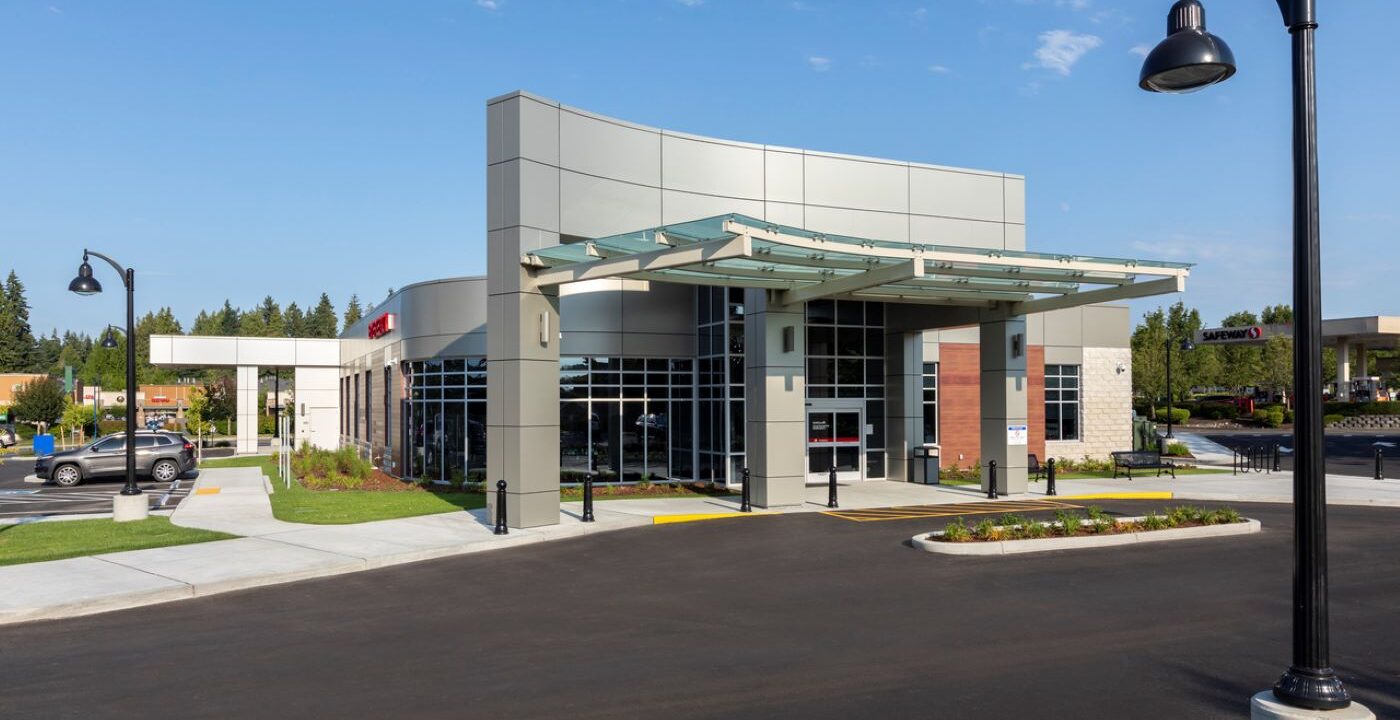
A neighborhood ER — sometimes called a freestanding ER — is an emergency room that isn’t physically connected to a hospital. Designed to provide lifesaving care close to home or work, neighborhood ERs typically have shorter wait times and quicker test results than hospital ERs, while providing high-quality care for many acute health care conditions.
Hospital ERs, on the other hand, are located on a hospital campus and are therefore connected to inpatient units, operating rooms and on-site specialty services. However, wait times may be longer.
What’s the same: Emergency-level care, 24/7
No matter which ER you visit, you’ll receive 24/7 emergency care from board-certified emergency physicians, experienced nurses and advanced practice providers, such as advanced registered nurse practitioners (ARNPs) and physician assistants (PAs).
Both types of facilities can treat a wide range of emergency conditions.
“At our neighborhood ERs, you are going to get the same high-quality care as in a hospital ED,” says Heather Justice, MD, medical director of MultiCare Emergency – Bremerton.
Both types of ERs offer on-site diagnostics, including radiology services and point-of-care testing (CT, X-ray, ultrasound and labs).
Children can be seen at either type of ER, and pediatric emergency specialty support can be accessed via virtual consult when needed.
What’s different?
The main difference between a neighborhood ER and hospital ER is what happens if you need to be admitted or receive on-site specialty care (for example, major trauma, surgery or a specialist, such as a cardiologist).
Teams at neighborhood ERs can start treatment right away, so care begins without delay, even if transfer is needed. In those cases, you’ll be quickly transferred to the nearest hospital that can provide that level of care.
Neighborhood ERs are partnered with the nearest hospital.
“Because we have that partnership and direct line into those facilities, our teams have established processes to coordinate transfer when necessary,” says Tonya Bloomstine, executive director of MultiCare’s neighborhood emergency rooms.
Where should you go in an emergency?
If you or a loved one are experiencing a life-threatening illness or injury, call 911. Emergency medical services will determine the safest destination for your care.
If it’s a non-life-threatening emergency and you’re able to drive yourself or a loved one, go to the closest emergency room — whether that’s a hospital or a neighborhood ER. If you start at a neighborhood ER and you need a higher level of care, the team will coordinate safe transfer to the appropriate hospital.
Neighborhood ER FAQ
Is a neighborhood ER the same as urgent care? No. Neighborhood ERs provide emergency-level care and are billed as emergency room visits.
What if I need to be admitted to a hospital? You’ll be stabilized and begin receiving treatment, then you’ll be transferred to a hospital for admission.
Do you see kids? Yes, and pediatric emergency specialty support will be accessed via virtual consult when needed.
Do you have imaging and labs? Yes, on-site labs and imaging, such as CT, X-ray and ultrasound, are available.