MultiCare Community Champions: Answering the call beyond health care
At a glance
- Community Champions volunteer across regions to represent MultiCare at community events and in outreach efforts
- Champions celebrate with neighbors and serve as connection for questions and services
- Employees find Champions role an opportunity to expand their dedication to supporting their communities
It’s one thing to care for patients, and it’s another to be a good neighbor. MultiCare employees aim to do both.
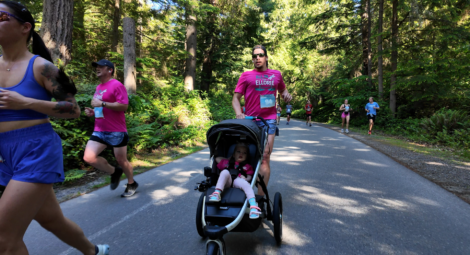
Earlier this year, MultiCare took that to the next level when 59 employees signed up as Community Champions — a group of dedicated staff who volunteer to represent MultiCare in the community through outreach efforts and event involvement. These employees represent both clinical and nonclinical roles across the Puget Sound, Spokane and Yakima regions.
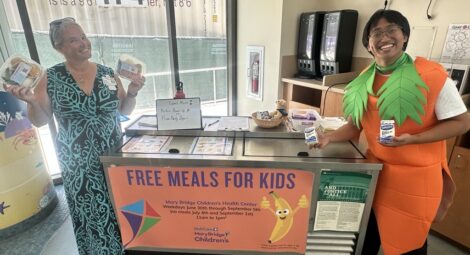
Champions are the people you’ll see marching in Pride Month parades; keeping things running smoothly at grand openings, fundraisers and Hoopfest; and educating community members and handing out swag at events like Juneteenth or Yakima Mile.
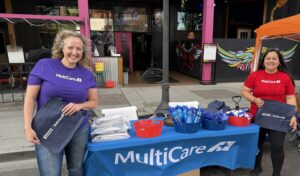
MultiCare Yakima region Community Champions hand out swag at Yakima Mile.
You may wonder: Why is a health care system doing all this? The answer is simple: These are our communities and neighbors, too.
It’s the MultiCare spirit to show up, spark connection, and help people engage with resources, partners and events that strengthen the places where we all live.
Champions show up beyond the bedside
Community Champions get to step beyond traditional health care and show up for people where they are, says Juanita Silva, a community wellness program coordinator in MultiCare’s Yakima region.
“To me, being a Community Champion means being an advocate, a connector and a trusted presence,” Silva explains. “It’s about representing MultiCare with compassion and authenticity while helping bridge the gap between health care systems and the communities we serve.”
“To me, being a Community Champion means being an advocate, a connector and a trusted presence.” — Juanita Silva, MultiCare Community Champion
Silva has been with MultiCare Yakima Memorial Hospital for 18 years, supporting community-centered health initiatives and building meaningful partnerships that improve access to care. Becoming a Community Champion was a perfect fit.
“I’m especially excited to engage with culturally diverse communities, grassroots organizations and health-focused community events,” she continues. “These spaces allow for authentic connection, increase awareness of available services, and help ensure that underserved populations feel seen, heard and supported.”
Showing up is about so much more than simply handing out swag or waving from behind a booth table; it’s about honoring and responding to the various needs of the communities we serve, outside of health care.
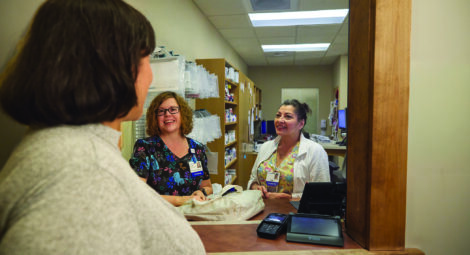
Every three years, the MultiCare Center for Health Equity & Wellness conducts a Community Health Needs Assessment, which identifies the most pressing health-related needs in our service areas. In response, the team develops implementation strategies to address them. Those needs often center around housing and food insecurity, behavioral health, access to care, violence prevention and more.
MultiCare cannot address these challenges alone, though. We look to our community partners, who provide direct services in many of these areas, and dedicate ourselves to supporting them in that work.
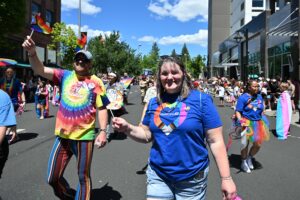
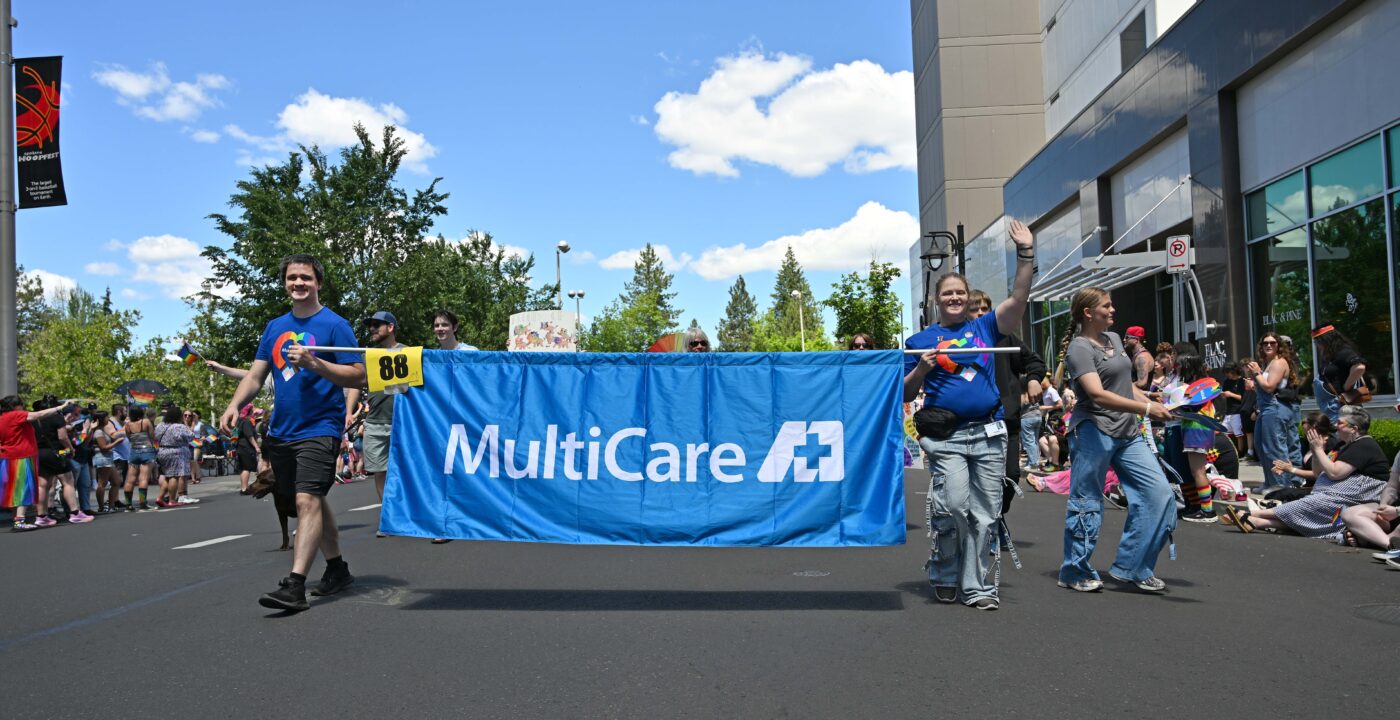
MultiCare Inland Northwest Community Champions and employees march in the 2026 Spokane Pride parade.
Oftentimes, people aren’t even aware of all the services and options available to them because they don’t know where to look, says Burgandy Kohout, executive assistant at MultiCare Capital Medical Center.
Community Champions can be the people they turn to regardless of what they’re facing, which sometimes has nothing to do with their health care.
Champions provide support through all of life’s ups and downs
Kohout has been with MultiCare for five years. She was part of a similar employee group at her previous company, where she distributed produce boxes each weekend to families in underserved areas of Los Angeles.
“(As health care workers) we are people who truly care about people, so it makes sense that we want to be involved in and supporting the community in a lot of different ways other than what we do on a daily basis,” she says. “Things like this allow us to go out into the community and feed that calling in a very real way.”
Being able to speak with people one-on-one in a low-barrier, friendly environment may be the difference between a person getting the support they need or having their needs go unmet, Kohout adds.
Silva hopes the community feels that impact in a very real way, as well.
“I hope that people walk away knowing that MultiCare truly cares about them … and that together as a community, we can support each other and become stronger,” she says.
What's next
- Interested in joining the MultiCare team? Explore career opportunities
- See how MultiCare is bringing connection and care to your community
- Explore the MultiCare Health Needs Assessment and how we’re addressing community needs